Tracing the Evolution of Dealer Interactions in Virtual Casino Settings Through Technological Advancements
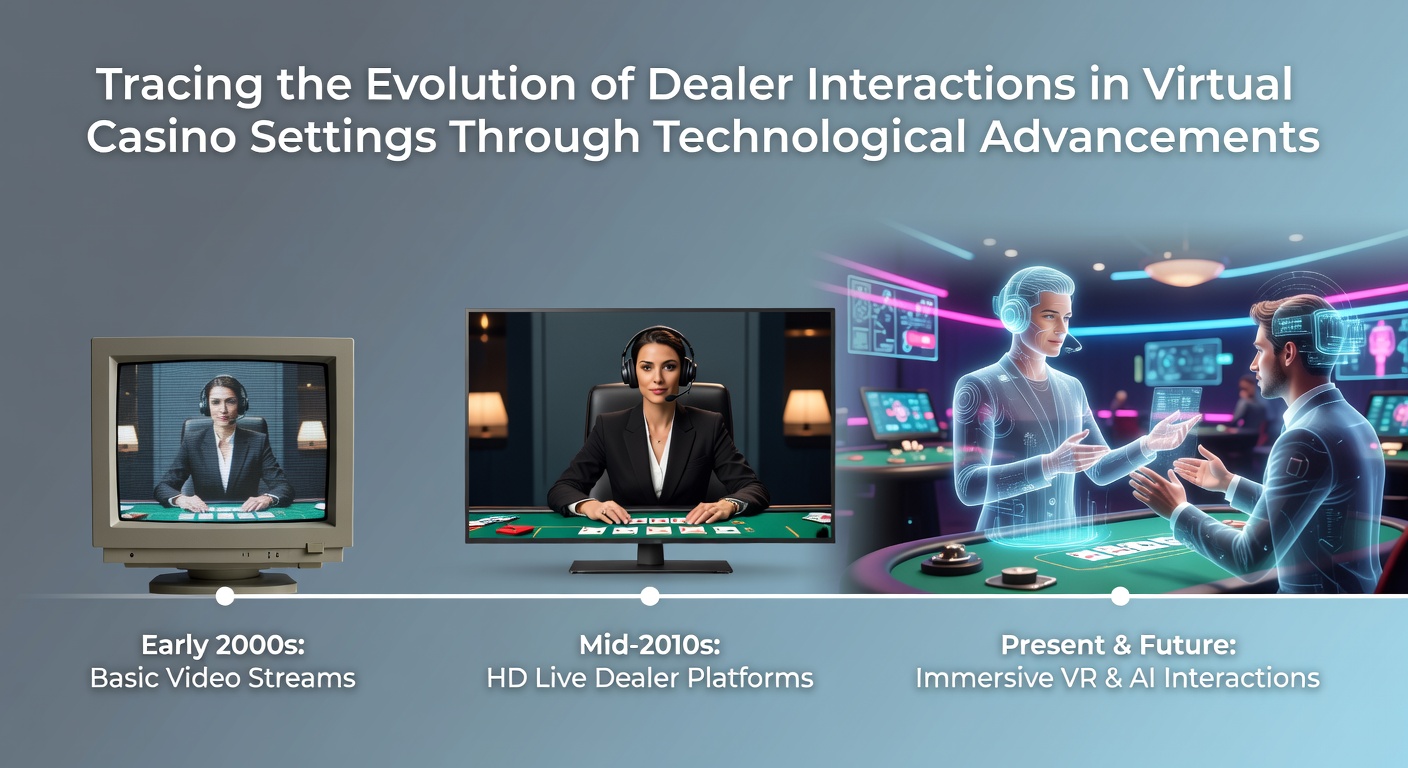 The landscape of virtual casino environments has shifted dramatically since the earliest online gaming platforms emerged, with dealer interactions evolving through layered technological upgrades that connect players more directly to live tables. Early systems relied on basic text interfaces and pre-recorded video clips that offered minimal engagement, whereas streaming technology soon introduced real-time video feeds that let participants observe dealer movements and table outcomes as they unfolded. Observers note that these initial live dealer setups, which gained traction around 2006, combined physical casino floors with remote player access through simple webcam streams and chat boxes. Technological refinements accelerated in the following decade as high-definition cameras, multiple-angle feeds, and optical character recognition software allowed dealers to manage card shuffles and roulette spins with greater precision while players received instant visual confirmations. Research indicates that bandwidth improvements and server-side rendering reduced latency, enabling smoother exchanges where dealers could respond to player decisions without noticeable delays. Industry data from regulatory filings shows that platforms operating under the New Jersey Division of Gaming Enforcement expanded these features significantly between 2013 and 2018, incorporating dedicated studios equipped with professional dealers who followed standardized procedures across international time zones.
Expansion Through Mobile and Touch Integration
Mobile devices introduced another layer of change once touchscreens became standard, letting users place bets and communicate with dealers through gestures rather than mouse clicks alone. Applications began supporting live video overlays on smaller screens while maintaining dealer visibility, and push notifications alerted participants to table openings or dealer shifts. Those who have tracked platform metrics report that mobile live dealer sessions grew to represent over half of total virtual table activity by 2022, driven by improved app stability and cross-device synchronization.Immersive Technologies and Real-Time Feedback
Virtual reality headsets and augmented overlays marked the next phase, placing players at virtual tables where dealer avatars mirrored physical movements captured from studio performers. Haptic devices added tactile responses that simulated card handling or chip stacking, creating sensory connections previously limited to physical venues. In May 2026 several major operators rolled out updated VR modules that included eye-tracking capabilities, allowing dealers to acknowledge individual player gazes and adjust pacing accordingly during blackjack rounds or baccarat sequences.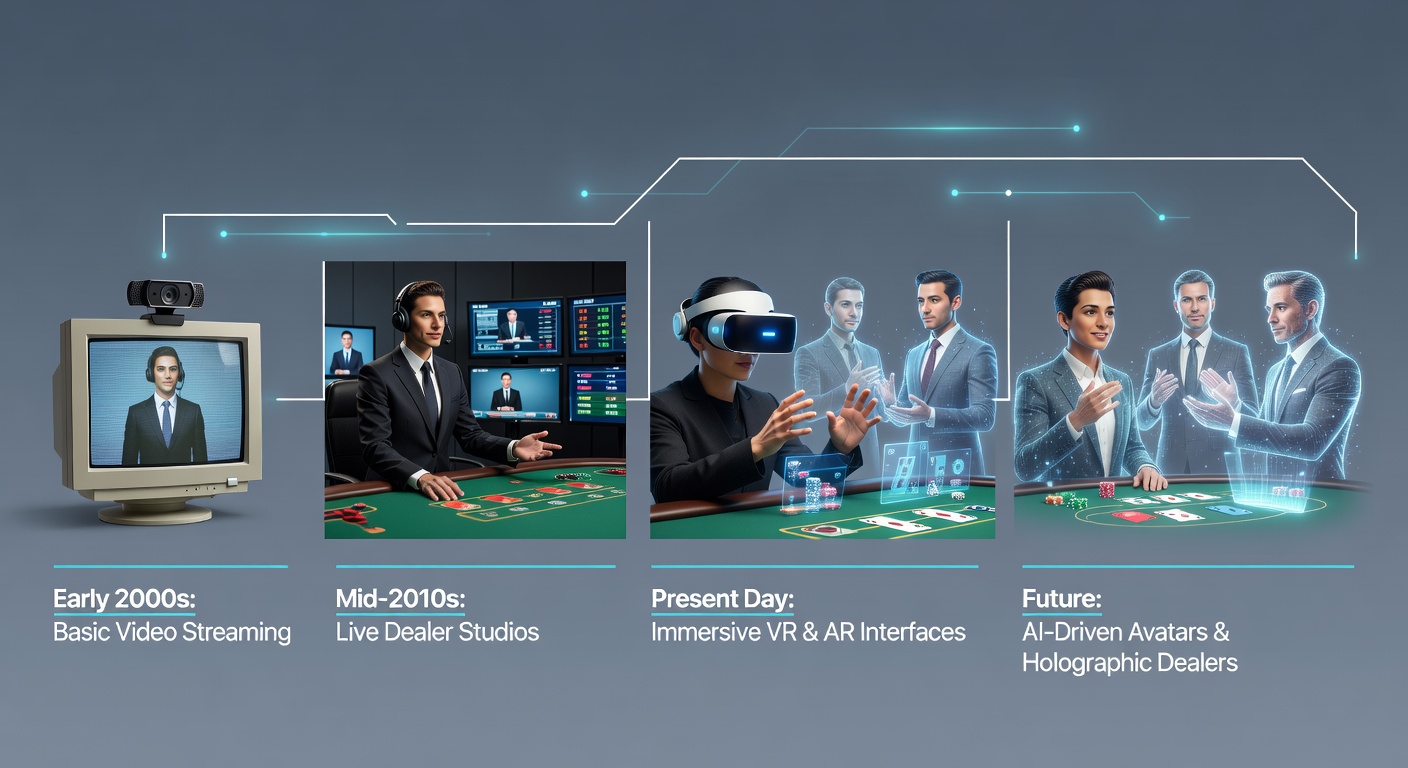 Artificial intelligence tools further refined interactions by analyzing player patterns to suggest optimal timing for dealer announcements or to automate routine greetings while preserving human oversight. Machine learning models trained on thousands of hours of table footage now assist dealers in maintaining consistent game flow, though final decisions remain with trained staff. A 2025 analysis published by the European Gaming and Betting Association highlighted how these hybrid systems reduced average round duration by 18 percent without altering regulatory compliance standards across participating jurisdictions.