Sudden Shake-Up in Macau: Finance Secretary Tai Kin Ip Steps Down from Gambling Giant Oversight
Sudden Shake-Up in Macau: Finance Secretary Tai Kin Ip Steps Down from Gambling Giant Oversight

The Resignation Announcement Hits Macau Hard
Tai Kin Ip, Macau's Secretary for Economy and Finance, resigned abruptly citing personal reasons, a move approved by China's State Council following a proposal from Chief Executive Sam Hou Fai; the decision took effect immediately on April 16, 2026, sending ripples through the world's largest gambling hub where casinos drive the bulk of economic activity. Observers note this timing comes just as Macau navigates post-pandemic recovery in its $30 billion gambling sector, an industry Ip had overseen since his appointment in late 2024. According to Reuters reports, Ip's departure leaves a key vacancy at a moment when diversification efforts beyond gaming remain a priority for Beijing-backed leaders.
But here's the thing: Ip's role extended far beyond approvals and oversight; he managed fiscal policies shaping everything from casino concessions to tourism inflows, tasks that demand steady hands in a region where gaming revenue hit record highs pre-COVID but dipped sharply during lockdowns. People who've followed Macau's economy point out his short tenure—spanning roughly 17 months—coincided with aggressive pushes for non-gaming investments, although gross gaming revenue figures for 2025 showed a rebound to about 80% of 2019 peaks, per data from the Macau Gaming Inspection and Coordination Bureau (DICJ).
Ip's Watch Over the $30 Billion Casino Empire
Since stepping into the position in late 2024, Tai Kin Ip directed strategies for Macau's six licensed casino operators—Sands China, Wynn Macau, MGM China, SJM Holdings, Melco Resorts, and Galaxy Entertainment—entities that collectively generate tens of billions annually, fueling nearly 80% of the region's government revenue through taxes and fees. Experts have observed how these firms, many backed by Las Vegas heavyweights, adapted under his guidance amid Beijing's crackdown on VIP junket operations, a shift that forced operators to pivot toward mass-market gaming and entertainment complexes.
Take Sands China, for instance, which operates the iconic Cotai Strip resorts like The Venetian; under Ip's economic framework, it expanded non-gaming amenities, although 2025 filings revealed gaming still accounted for 85% of its Macau revenue. Wynn Macau and MGM China followed suit, rolling out luxury retail and shows, while local giants SJM Holdings and Galaxy Entertainment leaned into regional tourism from mainland China. Melco Resorts, with its City of Dreams, emphasized family-friendly attractions, all while Ip balanced regulatory compliance with growth targets set by the central government.
What's interesting is the scale: Macau's gambling industry dwarfs even Las Vegas, with 2025 gross gaming revenue climbing to around HK$226 billion (about $29 billion USD), figures that highlight why Ip's exit draws such scrutiny; those who've studied the sector know sudden leadership changes can spook investors, especially as concession renewals loom in 2027.
Interim Leadership and the Path Forward
Chief Executive Sam Hou Fai steps in to handle the Secretary's duties temporarily, a pragmatic move that buys time while authorities prepare a successor nomination for Beijing's approval; this interim setup underscores Macau's unique governance, where local decisions require central oversight from China's State Council. Observers note Hou Fai's familiarity with economic portfolios—he's pushed "1+4" diversification since taking office in 2023, aiming to bolster tourism, finance, tech, and culture alongside gaming.
And yet, the clock ticks: with Ip's immediate exit, urgent matters like budget planning for 2027 and casino performance reviews fall to Hou Fai, who must juggle daily operations amid April 2026's bustling tourist season. Researchers tracking Macau's fiscal health point to precedents, like the 2022 leadership transition under former Chief Executive Ho Iat Seng, where stability returned quickly but not without market jitters.
Macau's Gambling Hub Status in the Spotlight
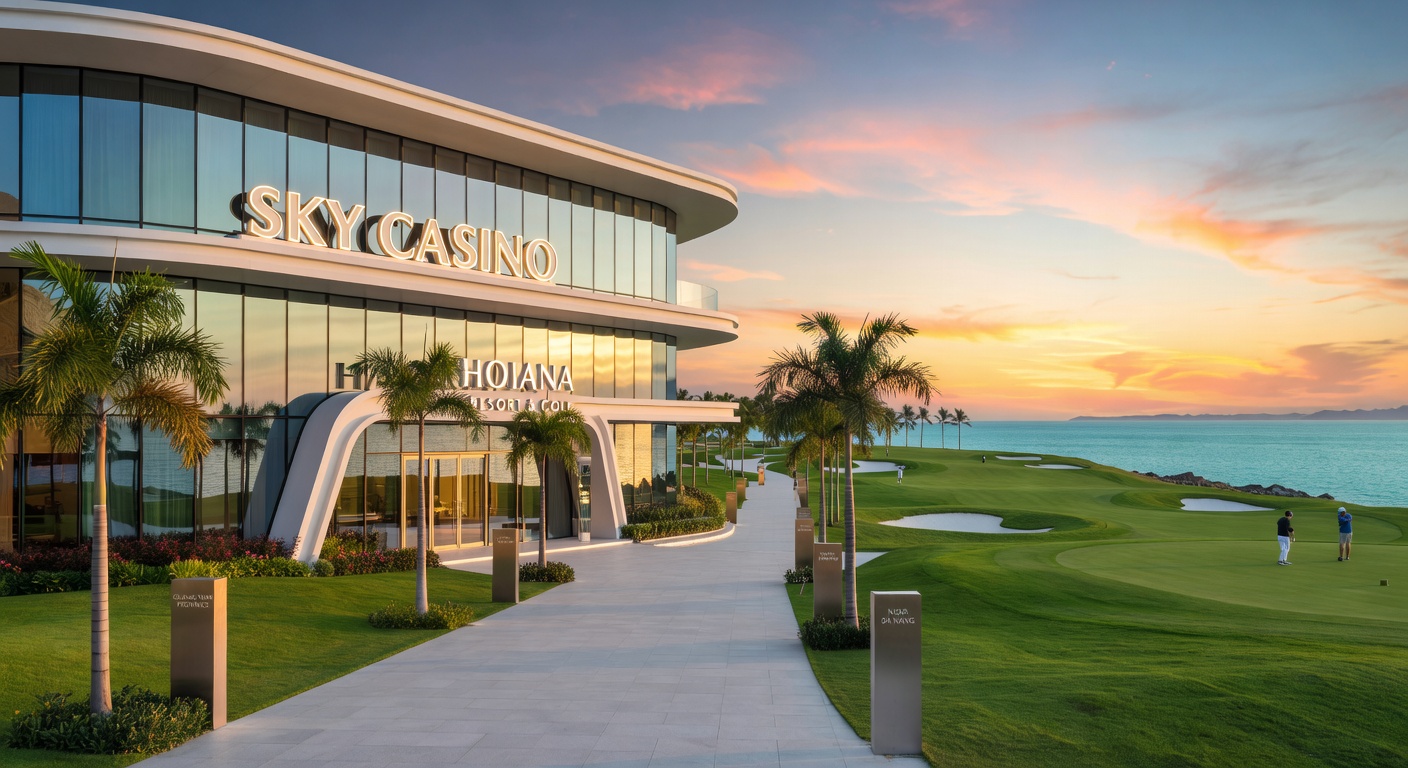
Macau solidified its title as the world's top gambling destination long ago, surpassing Las Vegas by a factor of five in revenue; Ip's oversight came during a pivotal recovery phase, where daily visitor numbers rebounded to 100,000 by early 2026, mostly from mainland China via the Hong Kong-Zhuhai-Macau bridge. This infrastructure boon, coupled with relaxed travel policies post-2023, boosted operator stocks—SJM Holdings shares rose 15% in Q1 2026 alone, while Galaxy Entertainment reported record quarterly profits.
Turns out, personal reasons for resignations in high-stakes roles like this aren't uncommon; past cases, such as the 2018 departure of economy chief Lionel Leong, cited health but sparked speculation, although official channels stuck to the stated cause. Data from Macau's Statistics and Census Service reveals the economy's heavy gaming reliance—casino taxes funded 77% of the 2025 budget—making Ip's portfolio the linchpin for everything from infrastructure to social welfare.
Those who've analyzed the operators' trajectories under Ip note adaptations like Wynn's ESG initiatives and MGM's partnerships with Chinese tech firms, moves that aligned with Beijing's sustainable development mandates; Melco Resorts, meanwhile, invested HK$10 billion in expansions, creating thousands of jobs in a city of 680,000.
Beijing's Role and Broader Economic Context
China's State Council approval process reflects Macau's special administrative region status under "one country, two systems," where economic policies must harmonize with national goals; Hou Fai's proposal for Ip's resignation sailed through quickly, signaling smooth internal coordination. Experts observe this efficiency contrasts with more drawn-out transitions elsewhere, like Nevada's gaming board appointments, which involve public hearings.
Now, as successor talks heat up, names from finance and gaming regulation circles surface, although no announcements have dropped by late April 2026; the reality is, Beijing prioritizes candidates with anti-corruption credentials, given past scandals in the sector. Studies from the University of Macau's gaming institute highlight how stable leadership correlates with revenue growth—2024 saw a 50% year-over-year jump under Ip's early policies.
It's noteworthy that Ip's exit coincides with global gaming trends; while Macau dominates Asia, operators like Sands China eye Japan and emerging markets, diversifying beyond the SAR's borders.
Key Operators Under the Microscope
- Sands China: Leads with integrated resorts; 2025 revenue topped HK$80 billion, driven by mass gaming.
- Wynn Macau: Focuses on high-end; expansions included a new theater hosting international acts.
- MGM China: Emphasizes diversity; launched women-focused programs aligning with social policies.
- SJM Holdings: Traditional leader; shifted from VIP to locals post-junket bans.
- Melco Resorts: Innovates with tech; City of Dreams 2.0 features AI-driven experiences.
- Galaxy Entertainment: Broad portfolio; Galaxy Macau drew 20 million visitors in 2025.
These players, overseen by Ip until now, face 2027 concession battles, where performance metrics will decide futures; Hou Fai's interim grip ensures continuity, but markets watch closely.
Conclusion: Eyes on the Successor and Steady Course
So, Tai Kin Ip's resignation marks a pivot point for Macau, the gambling behemoth where $30 billion industries hum under tight Beijing oversight; with Sam Hou Fai at the helm temporarily and a successor nomination in the works, teh SAR presses on through April 2026's vibrant casino scene. Observers anticipate quick stabilization—after all, Macau's resilience shines through past shakes—while operators like Sands and Wynn keep the revenue flowing; the writing's on the wall that economic engines here don't skip a beat for long, ensuring the hub's global crown stays intact.