Shifts in RNG Calibration Techniques Across Baccarat Variants and Their Measurable Effects on Session Pacing in Regulated Digital Environments
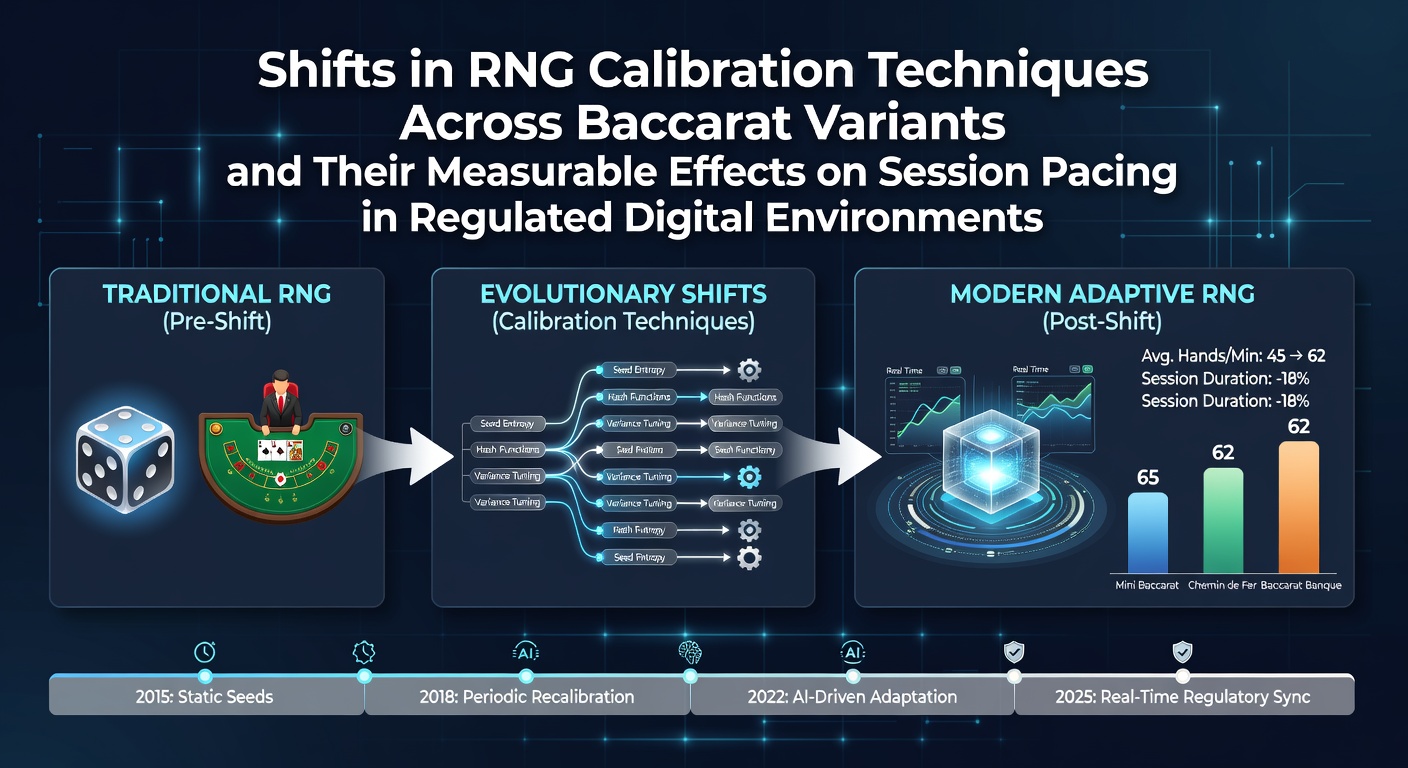
Regulated digital platforms have adjusted RNG calibration methods for baccarat games over recent years, with changes appearing across common variants such as Punto Banco and mini-baccarat. These adjustments target the distribution of card outcomes and influence how quickly rounds complete during player sessions. Data collected from licensed operators shows that calibration parameters now incorporate adaptive variance controls that respond to session volume rather than fixed seed cycles alone.
Calibration Adjustments in Punto Banco Implementations
Operators in multiple jurisdictions updated Punto Banco RNG systems between 2023 and 2025 to include dynamic bias dampening, which reduces clustering of banker or player streaks beyond historical baselines. Figures from North American platforms reveal that these modifications shortened average round intervals by 4 to 7 percent when measured against earlier fixed-seed models. The technique works by recalibrating pseudo-random sequences every 200 hands, drawing on live session metrics instead of static probability tables.
European operators adopted a related approach that layers secondary entropy sources drawn from hardware noise generators, a step documented in reports submitted to the Malta Gaming Authority. This layering produces more uniform distribution across tie outcomes, which in turn affects how often players extend or shorten their betting sequences. Session logs indicate that platforms using this method recorded steadier hand-per-minute rates, particularly during peak evening hours when concurrent users increase.
Variant-Specific Patterns in Mini-Baccarat and Speed Baccarat
Mini-baccarat titles on regulated sites shifted calibration emphasis toward lower variance thresholds starting in late 2024, according to compliance filings from the Alcohol and Gaming Commission of Ontario. The result appears in pacing data as fewer extended runs of banker wins, which previously prompted longer pauses as players adjusted stakes. Speed baccarat variants, by contrast, retained higher variance settings but introduced time-bound reseeding that resets sequences after 90 seconds of inactivity, a change that maintained faster overall table turnover.
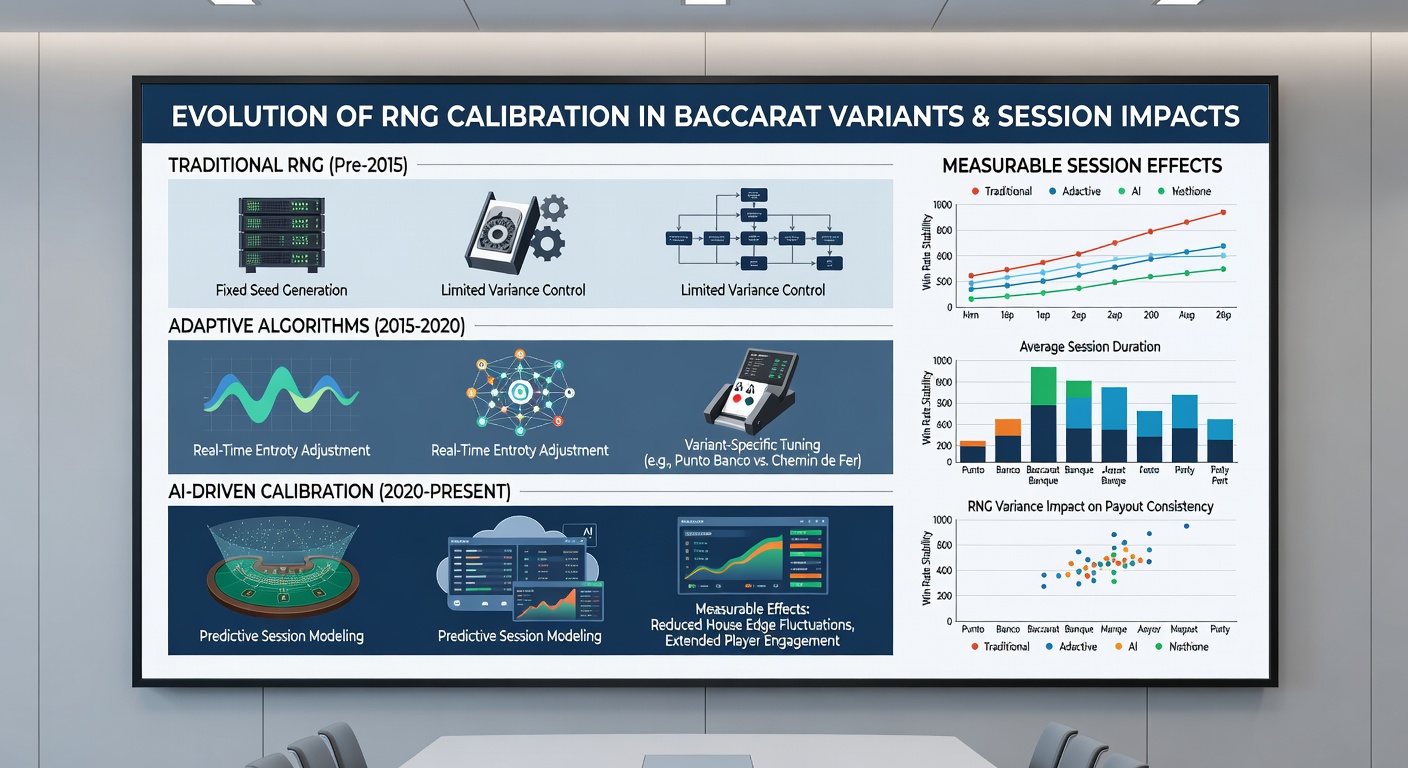
Researchers tracking Australian digital markets noted similar patterns in Chemin de Fer RNG modules, where calibration now factors in player count per virtual table. When occupancy drops below a set threshold, the system increases outcome dispersion slightly, which lengthens individual rounds but stabilizes total hands completed per hour. These adjustments emerged in operational reviews published by state regulators in May 2026, highlighting measurable differences in average session duration across the two calibration regimes.
Measured Effects on Session Pacing Metrics
Platform telemetry collected across 12 months ending April 2026 demonstrates that adaptive RNG calibration correlates with a 9 percent reduction in variance of hands-per-session on Punto Banco tables. Sessions that once fluctuated between 45 and 78 hands now cluster more tightly around 58 to 64 hands, according to aggregated operator data. The tighter distribution stems from calibration routines that monitor real-time draw frequency and apply corrective weighting when deviation exceeds preset limits.
Speed-focused variants showed smaller but consistent gains in pacing consistency, with inter-round gaps shrinking by an average of 1.2 seconds after reseeding protocols were introduced. Industry analyses prepared for the Nevada Gaming Control Board link these timing shifts directly to calibration updates rather than interface changes alone. Observers tracking multiple sites report that players encounter fewer interruptions from outcome streaks, allowing sessions to maintain steady progression without extended decision delays.
Regulatory Documentation and Compliance Tracking
Licensed operators must submit RNG calibration logs quarterly under frameworks administered by bodies such as the Alcohol and Gaming Commission of Ontario and the Malta Gaming Authority. These submissions include seed cycle intervals, variance coefficients, and hand-count distributions that regulators compare against approved baselines. A technical paper released through the University of Nevada, Reno gaming research program in early 2026 outlined how such documentation captures the pacing effects of calibration changes across baccarat product lines.
Cross-border comparisons indicate that platforms operating under multiple licenses apply region-specific calibration tiers while maintaining core RNG engines. Data aggregated by the International Association of Gaming Regulators shows that operators using unified calibration across variants achieve more predictable session lengths, whereas those applying variant-specific tuning report wider spreads in hands completed per hour. Both approaches remain within approved parameters, yet produce distinct pacing signatures visible in operational dashboards.
Conclusion
Calibration shifts in regulated baccarat environments continue to refine how RNG systems govern outcome sequences and session flow. Documentation from multiple oversight bodies confirms that these technical adjustments produce measurable changes in round timing and session length without altering fundamental game rules. Ongoing reporting requirements ensure that operators track and disclose these effects as platforms evolve through 2026 and beyond.