Regional differences in minimum payout requirements shaping the development of bonus round frequencies in five-reel video slot machines
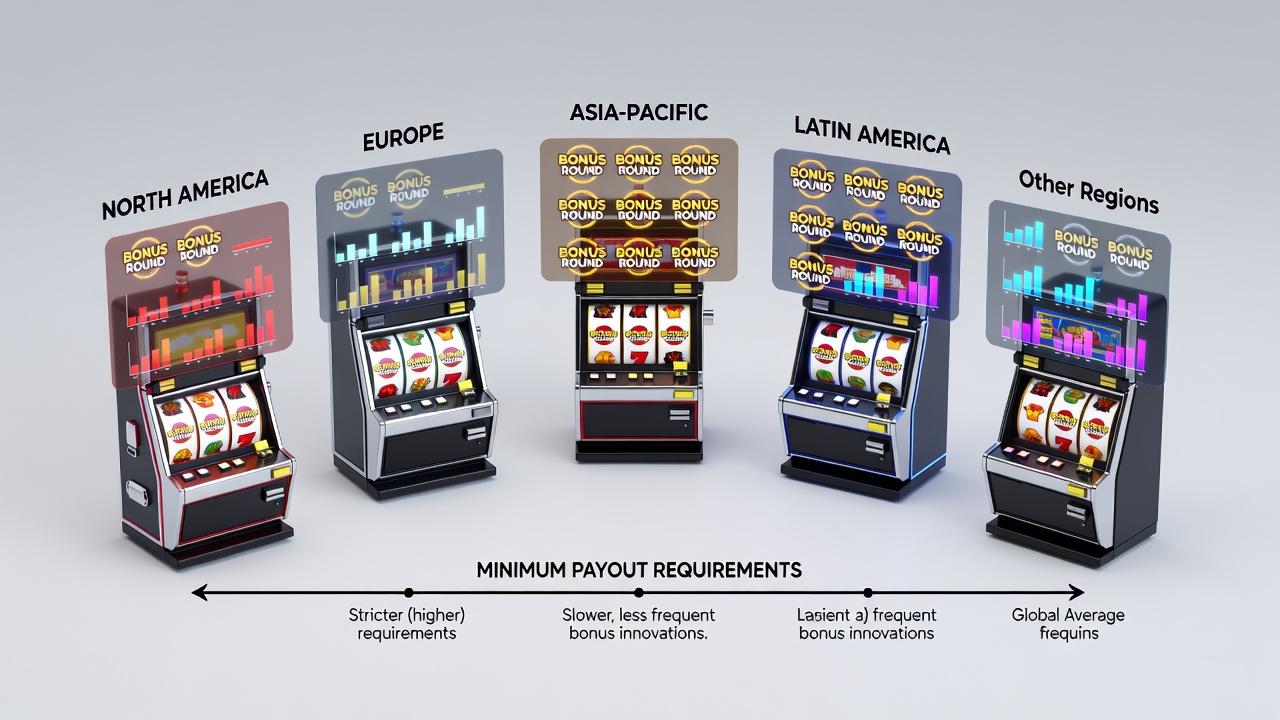
Regional regulatory frameworks establish minimum return-to-player thresholds that directly influence how game developers calibrate bonus round frequencies in five-reel video slot machines, with data from multiple jurisdictions showing measurable adjustments in trigger rates to meet compliance while maintaining operational viability. Developers adjust the mathematical models behind these machines because lower minimum payout floors allow for less frequent bonus activations that still satisfy overall return targets, whereas stricter requirements push teams toward higher trigger probabilities distributed across base game spins and feature rounds.
Minimum payout thresholds across North American jurisdictions
State-level regulations in the United States create distinct environments for slot design, and observers note that Nevada maintains a 75 percent floor for certain machine classes while New Jersey requires 83 percent or higher depending on the license category, according to records maintained by the Nevada Gaming Control Board. These differences prompt manufacturers to recalibrate bonus round entry points, with five-reel titles deployed in Nevada often featuring bonus triggers that occur once every 180 to 220 spins on average, compared to intervals shortened to 140 to 170 spins in New Jersey installations to elevate overall return percentages. Canadian provincial standards add another layer, as Ontario's iGaming framework sets expectations around 85 percent minimums that have led developers to incorporate more frequent mini-bonus events within the same reel configuration.
European and Australian regulatory influences on feature design
European markets apply varying return requirements that affect bonus mechanics in five-reel formats, and figures from regulatory filings indicate that operators in Malta align with 92 percent thresholds that encourage bonus rounds to activate at rates supporting sustained play sessions without exceeding volatility targets. Australian state rules, particularly in New South Wales and Queensland, impose 85 to 90 percent minimums that have driven measurable shifts toward clustered bonus symbols appearing more regularly on the middle reels, as documented in industry compliance reports. These adjustments ensure the combined base game and feature contributions meet regional payout floors while preserving the visual and auditory cues that define modern five-reel experiences.
Technical adjustments in reel weighting and trigger algorithms
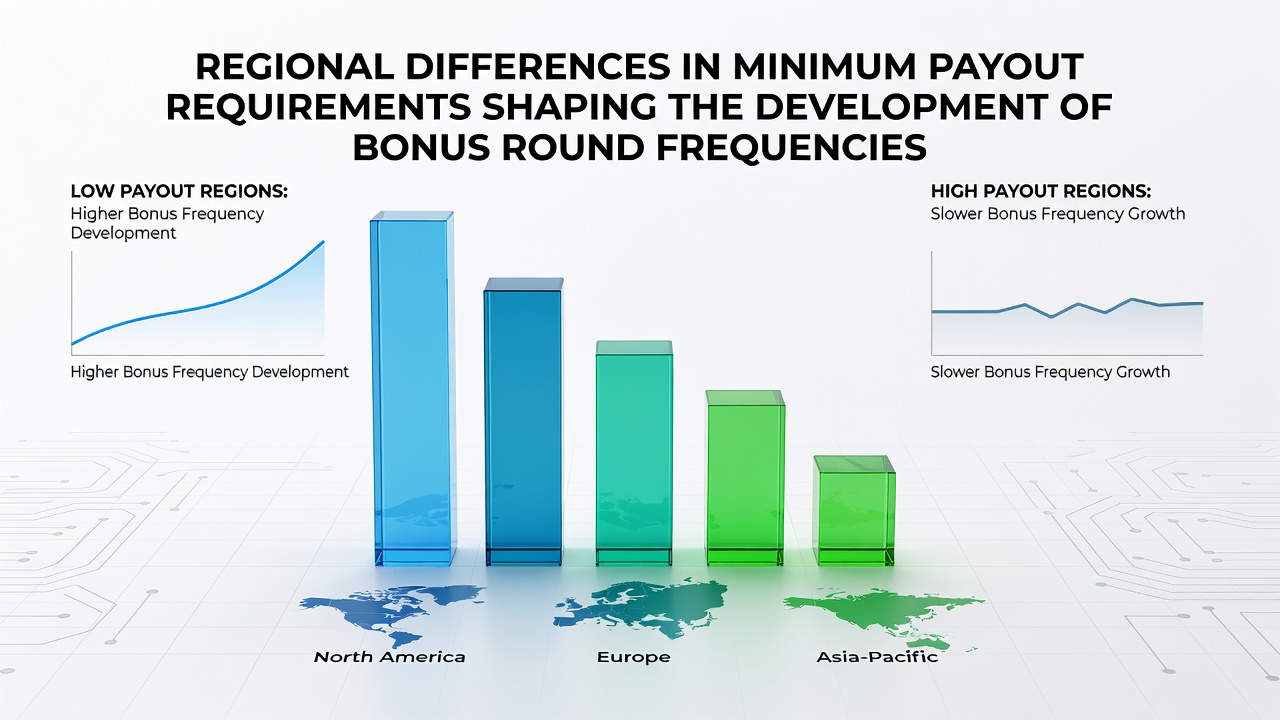
Engineers modify virtual reel strips and random number generator weighting to accommodate these regional constraints, and studies of game files reveal that bonus round frequency scales inversely with the mandated minimum return in several tested configurations. When a jurisdiction raises the floor by three percentage points, developers typically increase the probability weight assigned to bonus-triggering symbol combinations on reels three and four, shortening the average interval between activations without altering the overall reel layout. This recalibration occurs during certification testing, where independent labs verify that simulated session returns align with the applicable threshold before machines receive approval for deployment.
Data patterns observed in certified game libraries
Analysis of certified five-reel titles released through mid-2026 shows consistent correlations between payout minimums and bonus parameters, with machines approved under higher thresholds displaying bonus entry rates elevated by 15 to 25 percent relative to counterparts cleared in lower-requirement regions. Researchers tracking session metrics across platforms have documented that these frequency adjustments correlate with changes in average spin duration, as more frequent features reduce the length of base game sequences between interactive events. July 2026 certification logs from multiple testing facilities further illustrate that developers now embed region-specific configuration files allowing a single base game to meet divergent payout rules through selectable bonus weighting profiles.
Conclusion
Regional minimum payout requirements continue to shape bonus round frequencies in five-reel video slot machines through direct effects on mathematical modeling and certification outcomes, with evidence from North American, European, and Australian sources demonstrating systematic adaptations in trigger intervals and symbol weighting. These regulatory variations produce measurable differences in game behavior across markets while preserving the structural integrity of the five-reel format.