Patterns in Symbol Clustering Algorithms That Shape Win Frequencies Within Multi-Reel Video Slots on Regulated Platforms
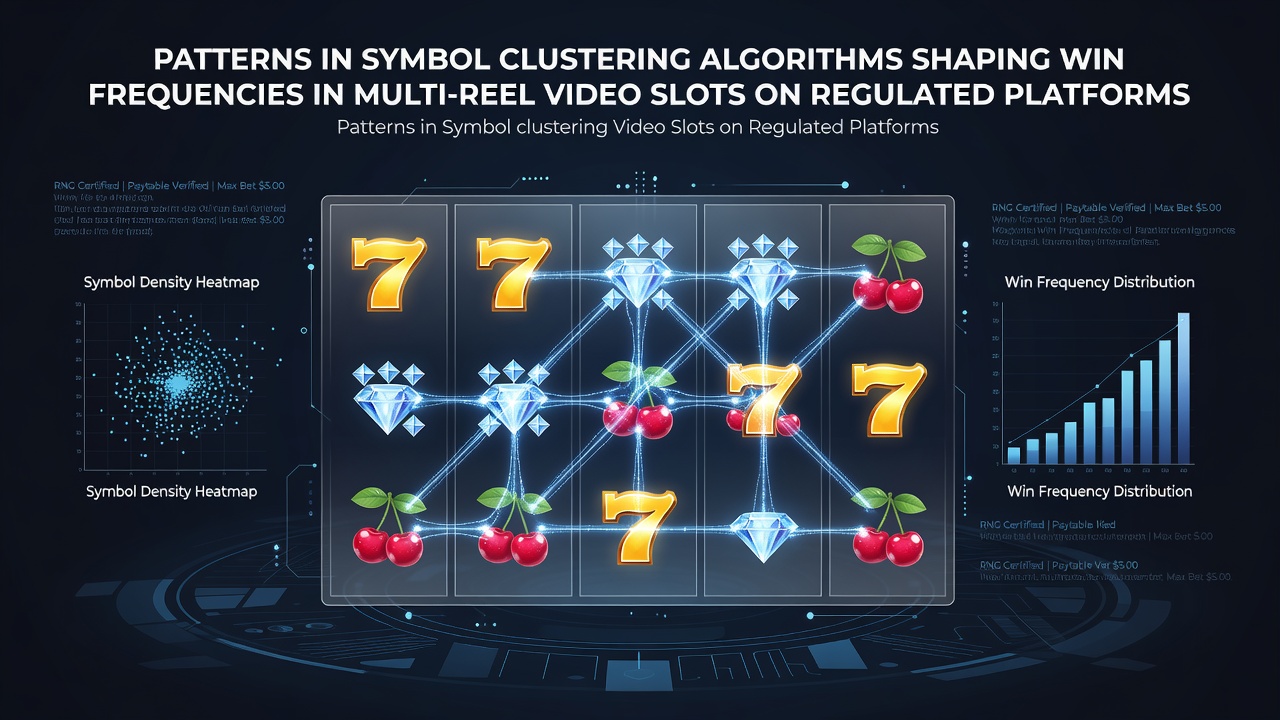
Symbol clustering algorithms in multi-reel video slots determine how adjacent or grouped icons form winning combinations, and these mechanisms directly influence the frequency of payouts across regulated platforms, where certified random number generators maintain fairness standards. Developers program these systems to scan reels for contiguous matches after each spin, often using adjacency rules that reward clusters of three or more identical symbols while excluding scattered formations that fail predefined thresholds.
Core Mechanics of Clustering Detection
Multi-reel setups typically range from five to seven columns with variable row counts, and clustering routines evaluate positions horizontally, vertically, or diagonally depending on the game configuration. Data from certified testing laboratories shows that algorithms prioritize edge-to-center propagation patterns, which produce higher win frequencies in mid-volatility titles compared to strict left-to-right payline systems. Regulators in multiple jurisdictions require independent verification of these routines to confirm that clustering does not introduce predictable biases over extended play cycles.
One study released by the University of Nevada Reno Gaming Innovation Lab examined clustering frequency across thousands of simulated sessions and found consistent correlations between cluster size thresholds and session payout intervals. Larger minimum cluster requirements reduce overall win counts yet increase average return values when hits occur, a balance that operators adjust through weighted symbol distributions.
Observed Patterns Across Reel Configurations
Analysis of deployed titles reveals recurring algorithmic patterns where high-value symbols cluster more readily in central reels while low-value icons appear in outer positions to maintain mathematical targets. These distributions shape win frequencies by concentrating matches in high-visibility areas, which players encounter at rates documented in compliance reports from the Nevada Gaming Control Board. June 2026 updates from the same agency emphasized enhanced audit protocols for clustering code to address emerging multi-dimensional reel engines that extend evaluation beyond traditional grids.
Platforms licensed in Ontario and several Australian states apply similar oversight, requiring operators to submit clustering logic diagrams before approval. Evidence from these submissions indicates that cascading mechanics, which remove winning clusters and drop new symbols into place, amplify frequency spikes during bonus sequences while base-game rates remain calibrated to overall return-to-player percentages.
Regulatory Influence on Algorithm Calibration
Regulated environments mandate that clustering algorithms undergo periodic re-certification to verify that win frequency distributions align with submitted mathematical models. The Australian Communications and Media Authority publishes aggregated statistics showing how adjustments to cluster detection sensitivity affect player session metrics across approved sites. Operators often recalibrate symbol weights following these reviews to sustain consistent engagement without deviating from approved volatility profiles.
Patterns emerge when developers apply modular clustering libraries across multiple titles, creating shared behaviors that regulators track through centralized reporting databases. Such reuse reduces development time while allowing fine-tuning of individual games via parameter files that control adjacency tolerances and cluster termination rules.
Impact on Win Frequency Distributions
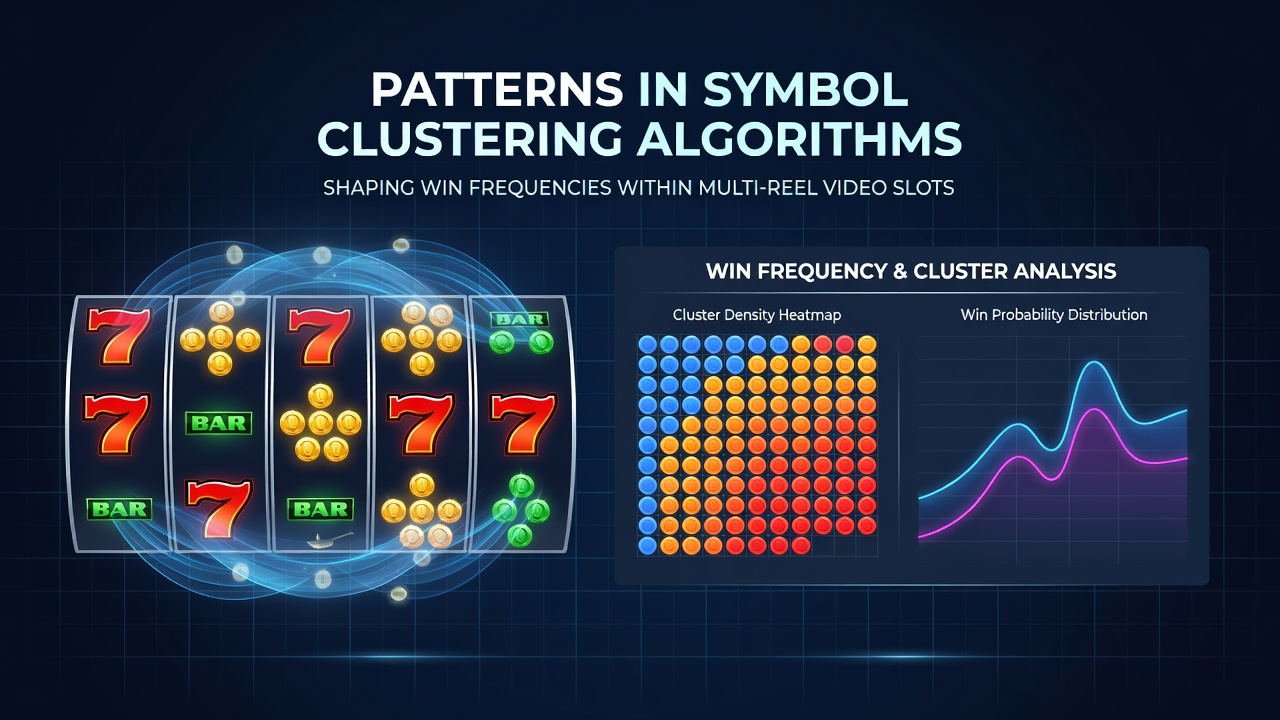
Quantitative reviews of multi-reel deployments demonstrate that games employing dynamic clustering, where evaluation grids expand during features, generate win frequency curves that differ measurably from static systems. Figures released by testing firms indicate peak frequencies occur when cluster formation overlaps with multiplier triggers, producing compounded outcomes at intervals that match certified payout tables. These outcomes remain subject to continuous monitoring through automated logging required by licensing conditions in North American and Asia-Pacific markets.
Software updates in early 2026 introduced refined clustering heuristics that prioritize diagonal formations in certain configurations, a change documented in compliance filings that showed measurable shifts in short-session win rates without altering long-term return metrics. Platforms must document such modifications and submit them for re-evaluation before deployment.
Conclusion
Symbol clustering algorithms continue to evolve within multi-reel video slots as developers respond to regulatory requirements and platform capabilities. Data collected across jurisdictions confirms that these systems shape win frequencies through defined detection rules, weighted distributions, and certified random processes. Ongoing audits ensure that observed patterns remain consistent with approved models, supporting transparent operation on regulated digital environments.