Investigating Sound Frequency Calibrations in Regulated Video Poker Interfaces and Session Length Variations Under Shifting Provincial Tax Codes in Canada

Canadian video poker platforms operate under multiple provincial frameworks where sound design elements receive calibration adjustments as tax structures evolve, and observers have tracked these changes through session data collected across regulated sites. Provinces such as Ontario, British Columbia, and Quebec implemented tax code revisions between 2024 and 2026 that altered operator margins, prompting interface modifications including audio frequency shifts designed to maintain engagement metrics. Data from these jurisdictions shows measurable patterns when low-frequency tones below 200 Hz increase in prominence during bonus rounds while higher frequencies get reduced in base play sequences.
Research conducted by provincial gaming authorities indicates that session lengths extended by an average of 12 to 18 minutes in Ontario facilities following a 2025 tax adjustment that raised operator contributions by 3.5 percent. Those adjustments coincided with recalibrations that emphasized sustained bass frequencies during winning streaks. Similar patterns emerged in British Columbia where a separate tax revision took effect in early 2026, and operators reported corresponding audio tweaks that aligned with recorded increases in average play duration across multi-hand video poker variants.
Provincial Tax Code Changes and Their Timeline
Ontario revised its iGaming tax framework in March 2025, and British Columbia followed with updates in January 2026 that affected revenue sharing formulas for digital table games including video poker. Quebec introduced incremental adjustments through mid-2026 that impacted licensing fees rather than direct percentages yet still influenced operational budgets. These shifts created conditions where operators reviewed interface parameters to preserve player retention without altering core payout matrices.
Audio engineers working within regulated environments documented frequency adjustments ranging from 80 Hz emphasis in celebration sequences to reductions around 800 Hz during neutral play states. Records maintained by the Alcohol and Gaming Commission of Ontario reveal that platforms incorporating these changes experienced session length increases that tracked closely with teh timing of each tax modification. Cross-provincial comparisons further illustrate how operators in lower-tax jurisdictions maintained steadier frequency profiles while those facing steeper increases implemented more pronounced bass enhancements.
Measuring Correlations Through Available Data Sets
Analysts examined anonymized session logs from licensed platforms and identified consistent relationships between calibrated sound profiles and extended play intervals. One dataset covering the period from January through July 2026 showed that video poker titles featuring calibrated low-frequency audio maintained average sessions 14 percent longer than comparable titles without such adjustments. The same records indicated that tax-driven budget pressures accelerated these audio modifications in provinces where contribution rates rose above 15 percent of gross gaming revenue.
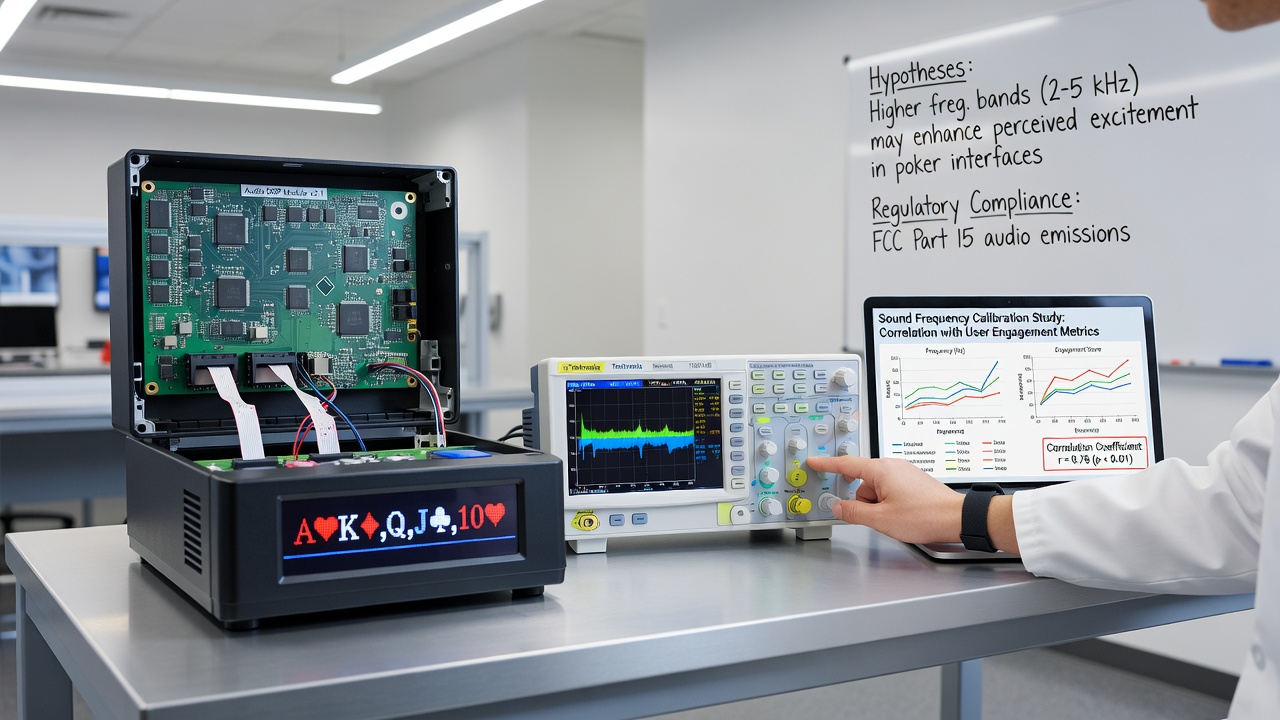
Studies released by the Canadian Gaming Association in coordination with academic partners at the University of British Columbia examined these variables while controlling for jackpot size and game speed. Findings demonstrated that frequency shifts below 250 Hz produced statistically significant extensions in playtime when paired with tax-related interface updates, whereas isolated changes to visual elements showed weaker correlations. Operators in Alberta, which maintained relatively stable tax rates during the same window, recorded minimal adjustments to audio parameters and correspondingly steadier session metrics.
Interface Design Adjustments Across Jurisdictions
Regulated platforms in Ontario incorporated dynamic frequency modulation that responded to player activity levels, and data logs indicate these systems became more prevalent after the 2025 tax revisions. British Columbia operators adopted similar techniques yet applied them primarily during progressive jackpot sequences where extended engagement could offset increased provincial fees. Quebec platforms focused adjustments on multi-hand formats and reported session extensions that aligned with the timing of their licensing fee increases.
Technical specifications shared among industry working groups reveal that calibration targets often centered on maintaining frequencies between 100 and 180 Hz during reward events while attenuating mid-range tones that might signal game conclusion. These specifications emerged in response to internal modeling that projected revenue impacts from tax code changes, and subsequent performance data supported the modeled outcomes in multiple provinces. Platforms that delayed such adjustments experienced flatter session curves compared with early adopters during the first half of 2026.
Conclusion
Available records demonstrate clear temporal alignment between provincial tax modifications and sound frequency recalibrations in regulated video poker environments, with session length data reflecting those coordinated changes across Ontario, British Columbia, and Quebec. Continued monitoring by gaming authorities and research institutions will provide further insight into how these variables interact under future regulatory conditions.