Inside Casino Sound Design: How Audio Layers Guide Wagering Choices in Digital Blackjack and Roulette Tables
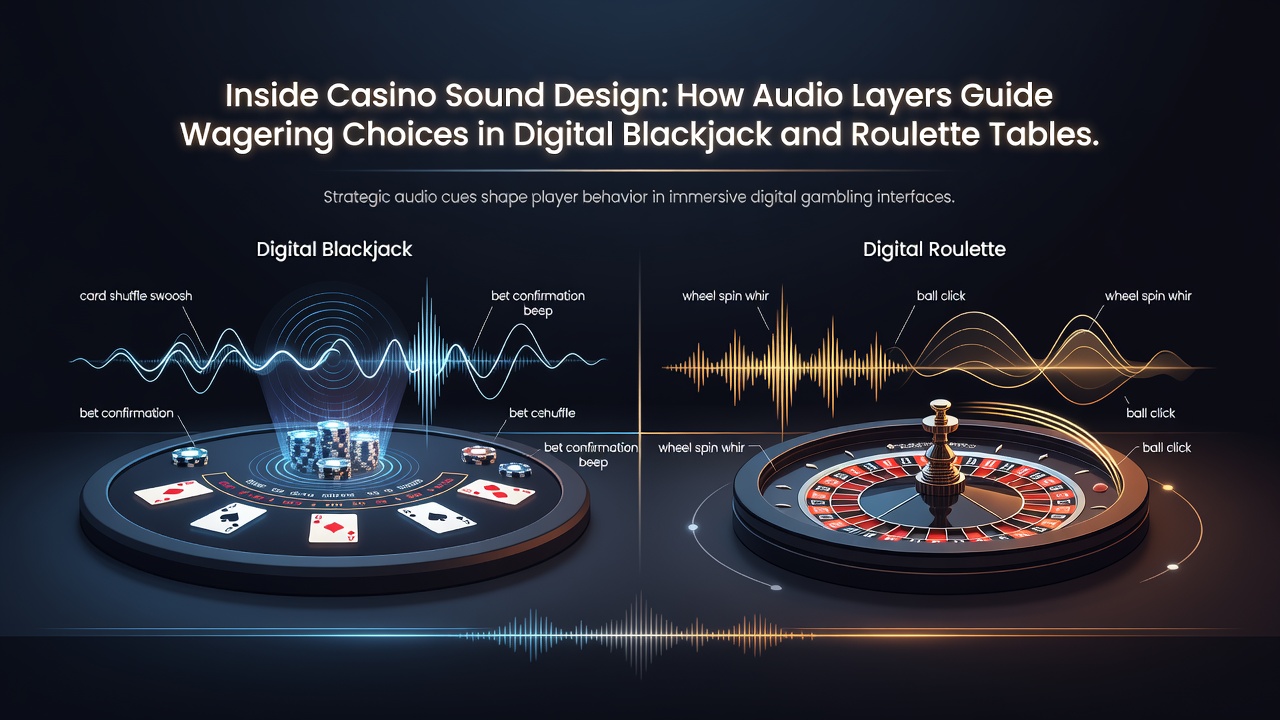
Digital platforms layer multiple audio tracks to simulate physical casino environments, and these combinations shape how players approach bets in blackjack and roulette. Sound designers build base ambient tracks that include distant crowd murmurs along with table-specific effects like card shuffles or wheel spins, then they overlay reactive elements that trigger on player actions such as chip placements or card reveals.
Studies from gaming technology research groups indicate these layers create feedback loops where certain frequencies encourage continued play while others signal caution. In July 2026 the International Association of Gaming Regulators released findings that tracked session data across licensed platforms and revealed measurable shifts in average wager sizes when ambient volumes increased during high-stakes moments.
Layered Construction of Blackjack Audio
Blackjack tables rely on distinct audio components that activate at different stages of each hand. A low-frequency hum establishes the table presence while crisp, higher-pitched clicks mark chip movements and card deals. When players double down or split, the system introduces sharper percussive accents that coincide with the increased stake amount displayed on screen.
Researchers at the University of Nevada Reno Gaming Laboratory have documented how these accents align with payout matrices to reinforce decision timing. Data collected from regulated platforms shows players tend to place larger follow-up bets after sequences where win chimes resolve at specific decibel thresholds rather than fading quickly into background noise.
Roulette Wheel Sounds and Betting Patterns
Roulette audio builds around the continuous spin of the wheel combined with intermittent ball bounces that vary in intensity based on speed settings. Platforms modulate these elements so that slower spins carry softer rolling tones while faster rotations introduce higher-pitched friction sounds that players associate with greater uncertainty.
Industry reports from the Canadian Gaming Association note that these variations correlate with changes in outside bet frequency, particularly when platforms adjust the ball-landing audio to emphasize certain number groups. The layering process also includes subtle crowd reactions that rise and fall depending on whether recent outcomes landed in red or black sectors, creating an auditory map that some players reference when selecting their next wager.
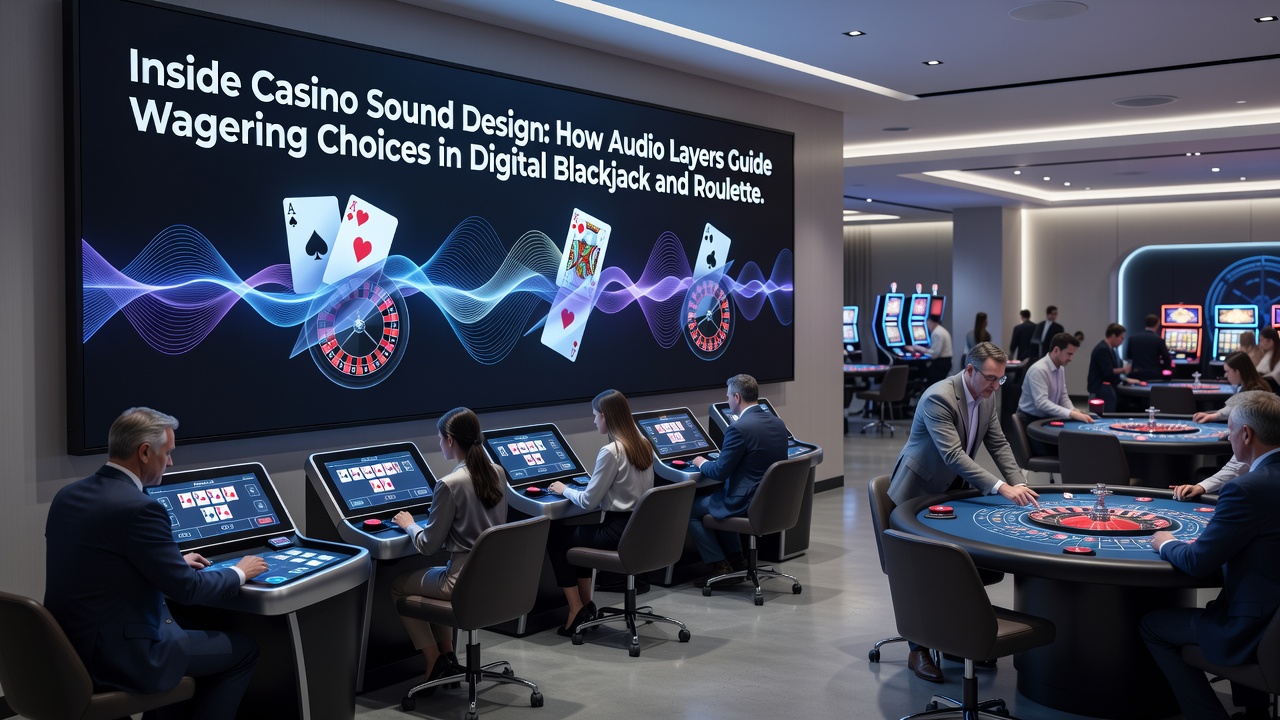
Reactive Audio Triggers and Decision Timing
Modern engines use real-time analysis of player history to adjust audio intensity mid-session. When a sequence of losses occurs the system may lower the volume on celebratory win cues while amplifying the neutral ambient track, a technique that data from multiple European platforms links to extended session lengths before players adjust their bet sizing downward.
Audio engineers program these triggers through middleware that monitors wager amounts and outcome frequencies, then selects from pre-mixed stems accordingly. Observers note that blackjack side-bet prompts often receive distinct tonal markers that differ from main-hand sounds, which helps separate risk categories in the player's auditory perception during rapid play.
Regulatory Context and Technical Standards
Platforms operating under licenses from the Malta Gaming Authority must submit audio configuration logs during compliance audits, and these records demonstrate how volume curves align with responsible gaming prompts. In July 2026 several operators updated their systems to include dynamic range compression that prevents sudden spikes during bonus rounds, a change documented in technical bulletins shared across North American and Australian markets.
The technical standards require that all reactive layers remain distinguishable from background tracks so players retain clear feedback on their actions. This separation proves especially relevant in multi-hand blackjack variants where overlapping sounds could otherwise obscure the distinction between individual table results.
Conclusion
Sound design in digital blackjack and roulette continues to evolve through precise layering techniques that integrate ambient simulation with reactive feedback. Data collected across regulated environments shows these audio structures influence the timing and size of wagers by providing consistent auditory signals tied directly to game events. As platforms refine these systems through ongoing technical updates, the relationship between layered sound and player choices remains a measurable component of digital table design.