30 Jul 2026
How Touch-Screen Gesture Patterns Influence Card-Drawing Sequences in Regulated Video Poker Apps Across State Lines
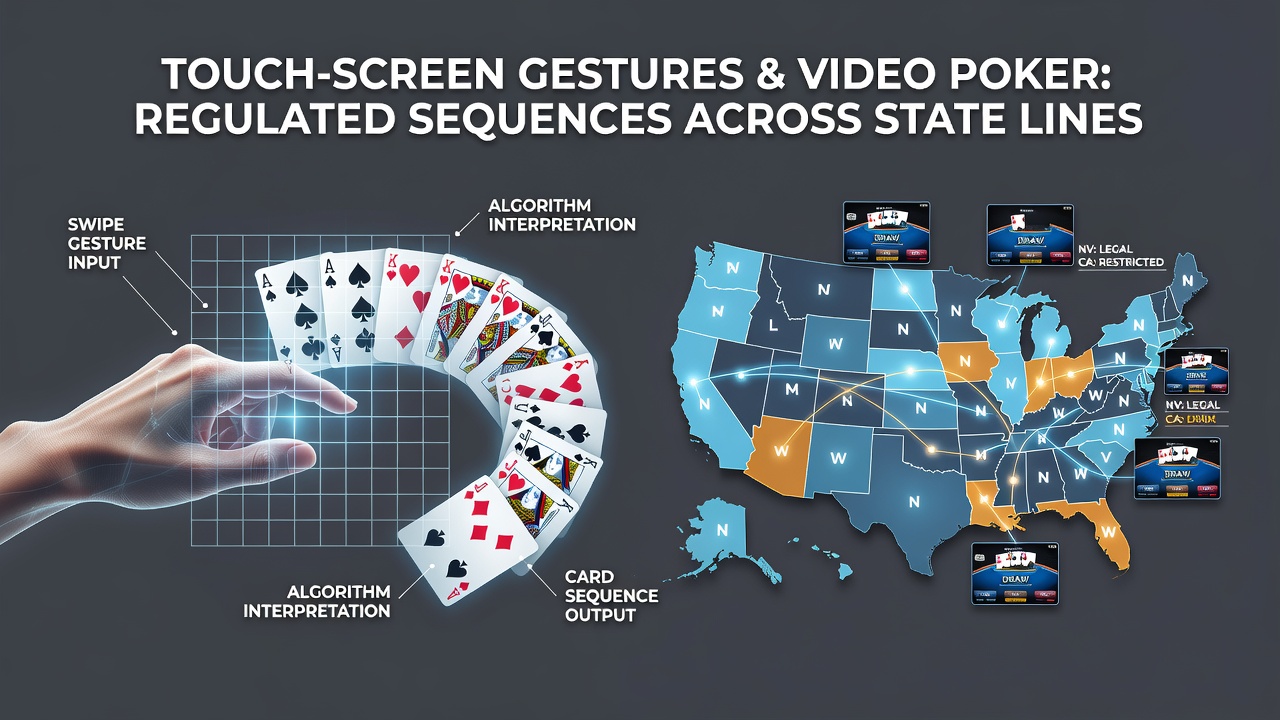
Touch-screen interactions in video poker applications operate under strict technical standards that vary by jurisdiction, and these standards shape how gesture inputs translate into card-drawing outcomes across different state platforms. Regulatory frameworks in Nevada, New Jersey, and Pennsylvania establish distinct requirements for input recognition, timing thresholds, and sequence generation that developers must implement before apps receive approval for distribution.
Gesture Recognition Standards in Multi-State Environments
Developers calibrate touch sensors to detect specific patterns such as swipe velocity, tap duration, and multi-finger pressure while complying with each state's certification protocols. Nevada regulations require minimum response intervals between draw commands, whereas New Jersey rules emphasize continuous gesture logging for audit trails. Pennsylvania frameworks add layers of checksum verification that tie gesture data directly to the random number generator output. These differences create measurable variations in how a single user action registers as a card draw request when the same app operates across state lines.
Analyses of certified applications reveal that swipe-based draws often trigger sequence generation at slightly different points in the RNG cycle compared with tap-based inputs. State testing laboratories document these timing offsets during pre-launch reviews, and the resulting logs show consistent state-to-state divergence in draw initiation windows. Operators must therefore maintain separate gesture mapping tables for each licensed market to avoid sequence desynchronization during cross-border play sessions.
Technical Implementation Across Regulatory Boundaries
Application programming interfaces in regulated video poker titles route gesture data through jurisdiction-specific middleware before the central RNG processes the draw request. This middleware layer converts raw touch coordinates into standardized commands that comply with local rules on input validation and anti-automation safeguards. In July 2026, updated compliance reports from multiple states highlighted refinements to these middleware components that tightened tolerance bands for gesture velocity while preserving user accessibility features.
Hardware differences among mobile devices further complicate uniform gesture handling. Screen refresh rates, capacitive sensitivity, and operating system touch drivers interact with the middleware in ways that state regulators monitor through ongoing field audits. Data collected during these audits indicate that certain device models produce higher variance in draw timing when used in one state versus another due to differing middleware calibration requirements.
Documented Effects on Sequence Generation
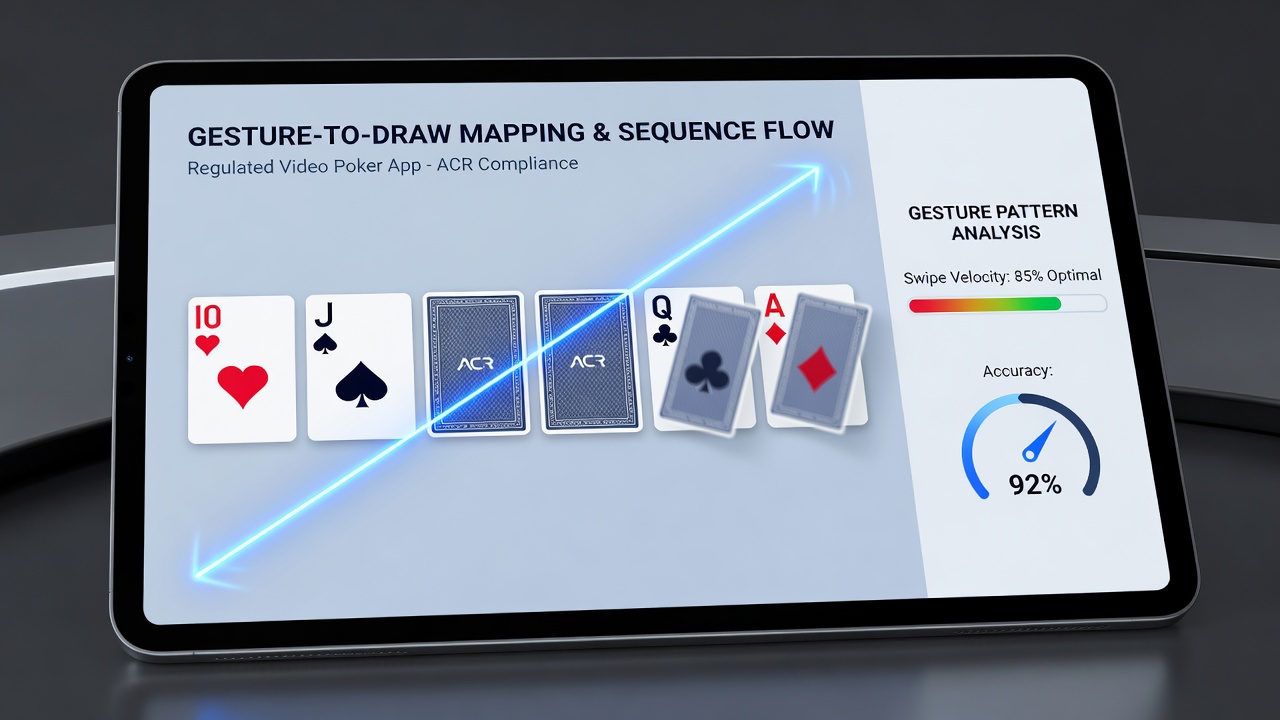
Controlled laboratory tests conducted under state supervision demonstrate that repeated identical gestures can produce statistically distinct card sequences when executed on platforms licensed in separate jurisdictions. The variations stem from differences in how each state's software buffers and timestamps the input rather than from any alteration of the underlying RNG algorithm itself. Observers note that these timing discrepancies remain within certified randomness parameters yet create observable differences in short-term draw patterns across state boundaries.
Industry reports prepared for regulatory review further show that multi-hand video poker titles exhibit amplified sensitivity to gesture patterns because each hand draws from a fresh buffer allocation. A prolonged swipe on one state's app may queue the next draw several milliseconds later than the equivalent action on another state's version, shifting the RNG seed index by a measurable amount. Certification documents from 2026 confirm that such shifts stay inside approved deviation limits while still producing distinct sequence outputs for identical user inputs.
Cross-Border Data and Compliance Monitoring
State gaming control boards exchange anonymized gesture and sequence logs to identify potential interface inconsistencies that could affect multi-state operators. Nevada Gaming Control Board publishes quarterly summaries that compare draw timing distributions across licensed apps, while the New Jersey Division of Gaming Enforcement releases corresponding datasets that allow direct state-to-state benchmarking. These shared records help developers adjust gesture parameters without violating any single jurisdiction's technical standards.
Academic research groups affiliated with university gaming laboratories have examined aggregated data sets covering millions of verified draws. Their findings indicate that gesture pattern variations account for small but consistent differences in the distribution of initial draw positions when apps operate under divergent regulatory middleware. The studies emphasize that overall randomness properties remain intact and that observed differences arise solely from input processing mechanics.
Conclusion
Regulated video poker applications must accommodate distinct gesture handling rules as they operate across state lines, and these accommodations produce documented variations in card-drawing sequence timing. State certification processes, middleware implementations, and ongoing audit programs together maintain compliance while allowing measurable differences in how touch inputs translate into game outcomes. Continued data sharing among regulatory bodies supports consistent technical standards without eliminating the jurisdiction-specific effects that define each market.