Exploring the Interplay Between Lighting and Color Schemes in Virtual Casino Interfaces and Their Documented Influence on Extended Play Sessions
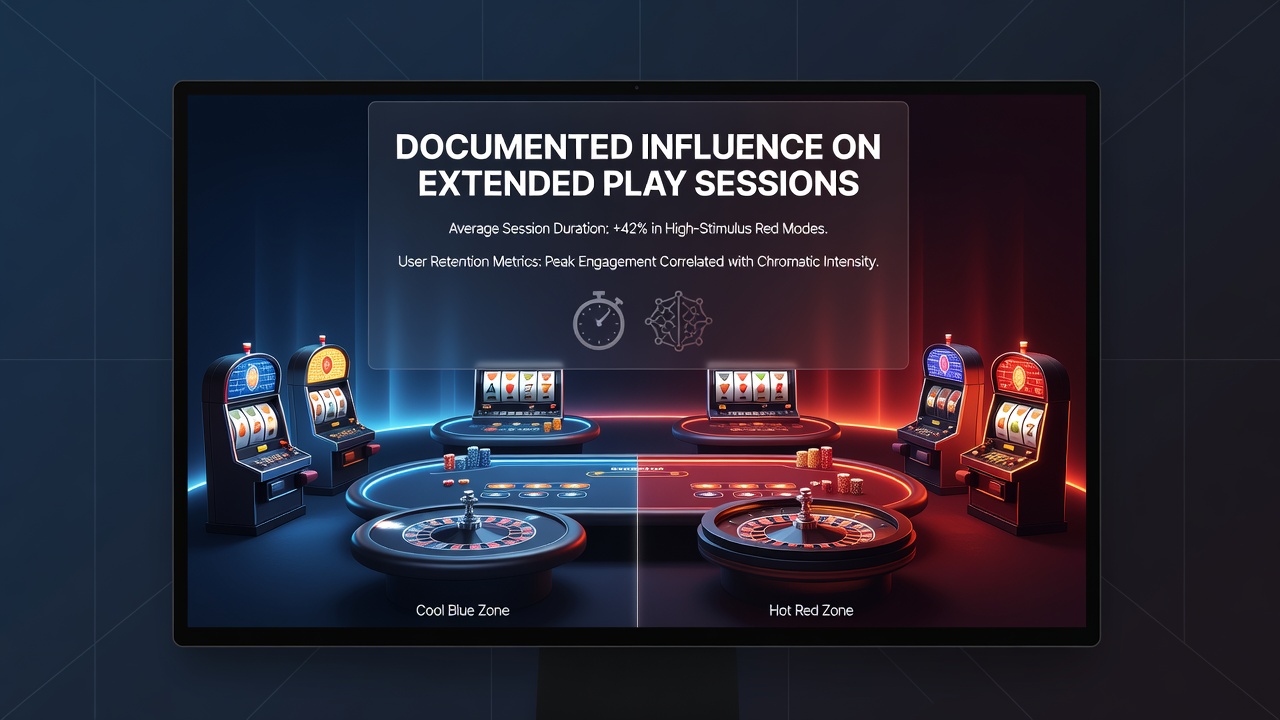
Virtual casino platforms have refined their visual designs over recent years, with lighting effects and color palettes emerging as key elements that shape how users interact with digital environments. Researchers have tracked these choices across multiple regulated markets, noting consistent patterns in how certain schemes align with longer average session times recorded in platform analytics from early 2026 onward.
Color Choices That Define Digital Casino Spaces
Design teams often select warm reds and golds for high-energy sections such as slot lobbies, while cooler blues and purples dominate table game areas. Data collected by operators in Ontario and parts of Europe shows that interfaces using these contrasting palettes maintain user focus for extended periods, with session metrics rising noticeably when transitions between colors occur gradually rather than abruptly. Observers note that these shifts help create distinct zones within a single screen, guiding attention without requiring additional prompts or overlays.
Lighting Techniques and Their Role in Immersion
Dynamic lighting has moved beyond static backgrounds to include subtle pulses, directional highlights, and shadow play that respond to in-game events. Studies compiled in June 2026 by industry analysts at the University of Nevada, Las Vegas, indicate that platforms incorporating responsive lighting around win notifications and bet confirmations see measurable increases in time spent per visit compared with those using flat illumination. These effects work by maintaining visual interest during pauses between spins or hands, keeping the interface active even when no direct input occurs.
Patterns Linking Visual Design to Session Duration
Analytics from multiple iGaming providers reveal correlations between specific lighting intensity levels and the length of continuous play. Interfaces that employ low-contrast lighting during base gameplay, punctuated by brighter accent flashes on wins, tend to support sessions that extend beyond the platform average. One review of North American operators found that color schemes incorporating muted backgrounds with selective neon highlights produced session times approximately 12 percent longer than those relying on high-saturation palettes throughout. The same datasets showed that abrupt lighting changes correlated with shorter visits, suggesting users respond to smoother visual pacing.
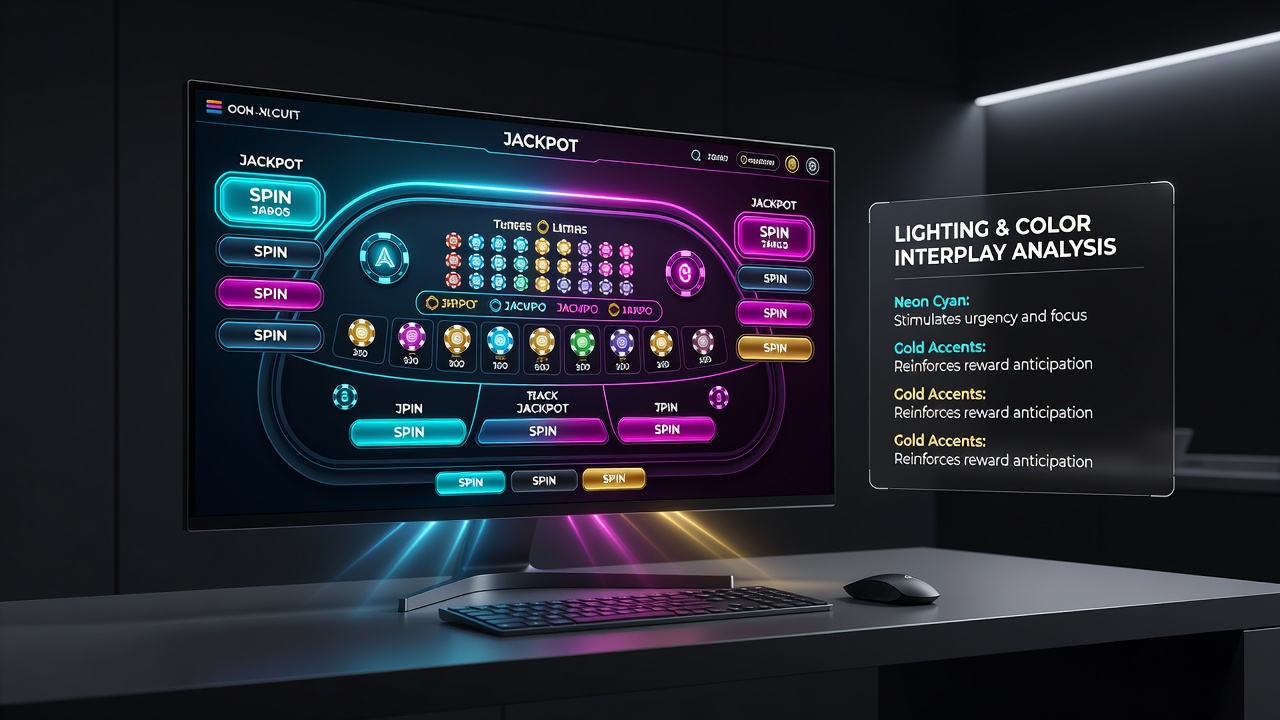
Regulatory reports from the Alcohol and Gaming Commission of Ontario have included interface audits that track these design elements alongside player behavior logs. Findings released in mid-2026 documented that operators adjusting lighting curves and color transitions based on heat-mapping data experienced shifts in average session metrics, particularly among users accessing mobile versions. The adjustments often involved reducing overall brightness during late-night hours while preserving key accent colors for navigation elements.
Cross-Platform Comparisons and Regional Variations
Platforms operating under different licensing frameworks display distinct approaches to these visual tools. Australian-facing sites frequently employ brighter daytime palettes with strong contrast, whereas Canadian and U.S. state-regulated environments lean toward darker themes with layered lighting. A comparative analysis issued by the Australian Communications and Media Authority in spring 2026 noted that these regional preferences align with recorded differences in peak usage times and session lengths across jurisdictions. Designers attribute part of the variation to local cultural associations with color, though the underlying data remains tied to engagement logs rather than subjective preference surveys.
Conclusion
Evidence from operator analytics, academic reviews, and regulatory audits continues to map connections between lighting dynamics, color application, and session metrics in virtual casino settings. As platforms refine these elements through ongoing testing, the documented patterns provide operators with concrete reference points for interface updates scheduled through the remainder of 2026 and beyond.