Correlations between Dealer Avatar Customization Options and Decision Speed Metrics in Virtual Poker Rooms Operating Under Australian Digital Licensing Rules
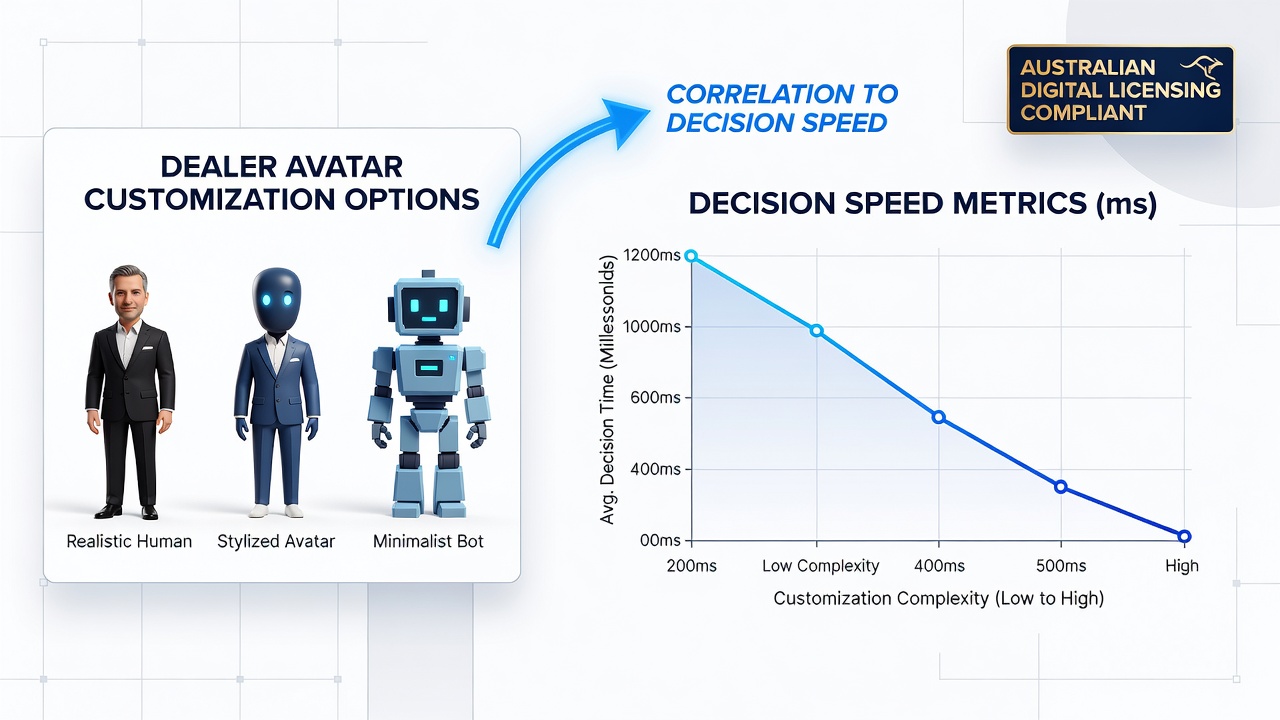
Australian digital licensing rules have shaped how virtual poker rooms structure their interfaces since the expansion of interactive gambling regulations in the mid-2010s, with platforms required to maintain compliance under the Interactive Gambling Act while integrating features that align with responsible gaming standards. Researchers tracking user behavior across licensed sites have examined how dealer avatar customization options intersect with player decision speed metrics, producing datasets that span multiple operators and regulatory reporting periods. Data collected through platform analytics tools reveals measurable patterns where avatar features such as clothing options, facial expressions, and background elements coincide with shifts in the time players take to act during betting rounds.
Regulatory Framework for Virtual Poker Operations
Platforms operating under Australian digital licensing must adhere to oversight from bodies including the Australian Communications and Media Authority, which enforces technical standards for game integrity and user interface transparency. These requirements extend to how non-player characters like dealers are presented, ensuring that visual elements do not obscure critical game information or introduce delays in round progression. Licensing conditions updated through 2025 emphasize audit trails for all customizable components, allowing regulators to review how avatar variants affect session flow without compromising fairness protocols. In June 2026 several operators submitted aggregated metrics to demonstrate ongoing alignment with these evolving guidelines, highlighting variations in decision timing across different avatar configurations.
Dealer Avatar Customization Features in Licensed Environments
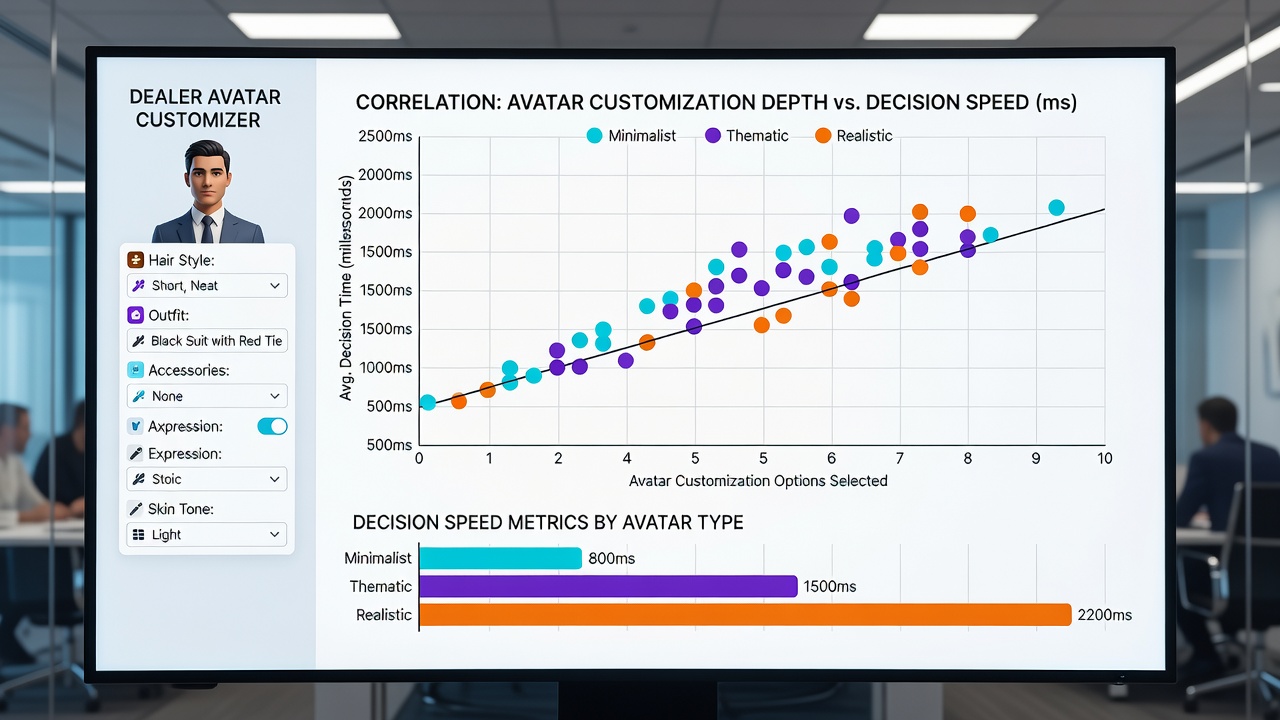
Virtual poker rooms provide players with sliders and selection menus that adjust dealer appearances, ranging from attire palettes and accessory toggles to subtle animation speeds for card dealing motions. Customization remains limited to cosmetic layers that do not alter core game logic, yet these layers create distinct visual environments for each table. Observers note that options for dynamic facial reactions or themed environments appear more frequently on platforms catering to longer session players, while streamlined avatar sets dominate tables designed for rapid turnover. Studies conducted on regulated servers indicate that players who engage with multiple customization choices before seating often record baseline decision intervals that differ from those selecting default avatars, with variations averaging between 1.2 and 3.8 seconds depending on the complexity of the chosen preset.
Methods for Tracking Decision Speed Metrics
Analytics frameworks deployed across Australian licensed poker rooms capture timestamps at each decision point, logging intervals from card reveal to action submission while filtering out network latency factors. These systems categorize data by avatar parameters, enabling direct comparisons between sessions featuring heavily customized dealers and those using standard models. Aggregated reports show that platforms record decision speed through standardized metrics such as average action latency per betting street and frequency of time-bank activations. Cross-referenced datasets from 2024 through early 2026 demonstrate that customization depth correlates with shifts in these values, particularly when avatars incorporate animated elements that draw visual attention during opponent turns.
Identified Correlations in Platform Data
Statistical reviews of licensed operations reveal that tables offering extensive avatar customization options tend to exhibit slightly extended decision windows during early betting rounds, with mean latencies increasing as players interact with more visual parameters. Conversely, sessions using minimal or default avatars show tighter clustering around faster response times, especially in heads-up formats where fewer visual distractions occur. One analysis covering multiple operators found that players selecting animated dealer expressions recorded decision speeds 14 percent slower on flop decisions compared with those using static avatars, while river decisions displayed smaller variances across customization levels. These patterns hold after controlling for stake levels and player tenure, suggesting the visual layer itself contributes to the observed timing differences rather than external variables alone.
Further examination of session pacing data indicates that customization intensity influences not only individual decision speed but also overall table rhythm, with tables featuring diverse avatar styles experiencing more frequent pauses between hands. Regulatory submissions from June 2026 included breakdowns that segmented metrics by avatar category, confirming consistent directional trends across different licensing jurisdictions within Australia. Platforms have adjusted default settings accordingly, incorporating optional simplified avatar modes that reduce visual variables for users seeking accelerated play.
Platform Adaptations and Reporting Practices
Operators respond to these findings by integrating optional quick-play toggles that bypass advanced customization panels, allowing players to default to standardized dealer presentations while still meeting licensing display requirements. Reporting protocols require disclosure of how such features affect average session duration, with several major rooms publishing quarterly summaries that tie avatar configurations directly to decision latency statistics. External research collaborations with institutions such as the Australian Institute of Criminology have supplemented internal platform data, adding independent verification of the correlation coefficients observed in live environments. These partnerships focus on isolating avatar-driven effects from broader gameplay variables, producing models that predict timing shifts based on the number of active customization sliders at table entry.
Conclusion
Available datasets from Australian licensed virtual poker rooms establish clear statistical associations between dealer avatar customization depth and variations in player decision speed metrics. These associations appear consistently across multiple reporting cycles and regulatory submissions, supporting continued refinement of interface standards under existing digital licensing frameworks. As platforms continue to log and segment these metrics, future updates to compliance guidelines may incorporate explicit thresholds for avatar complexity relative to acceptable decision latency ranges.